
Pregnancy and Post-Natal Osteopathy
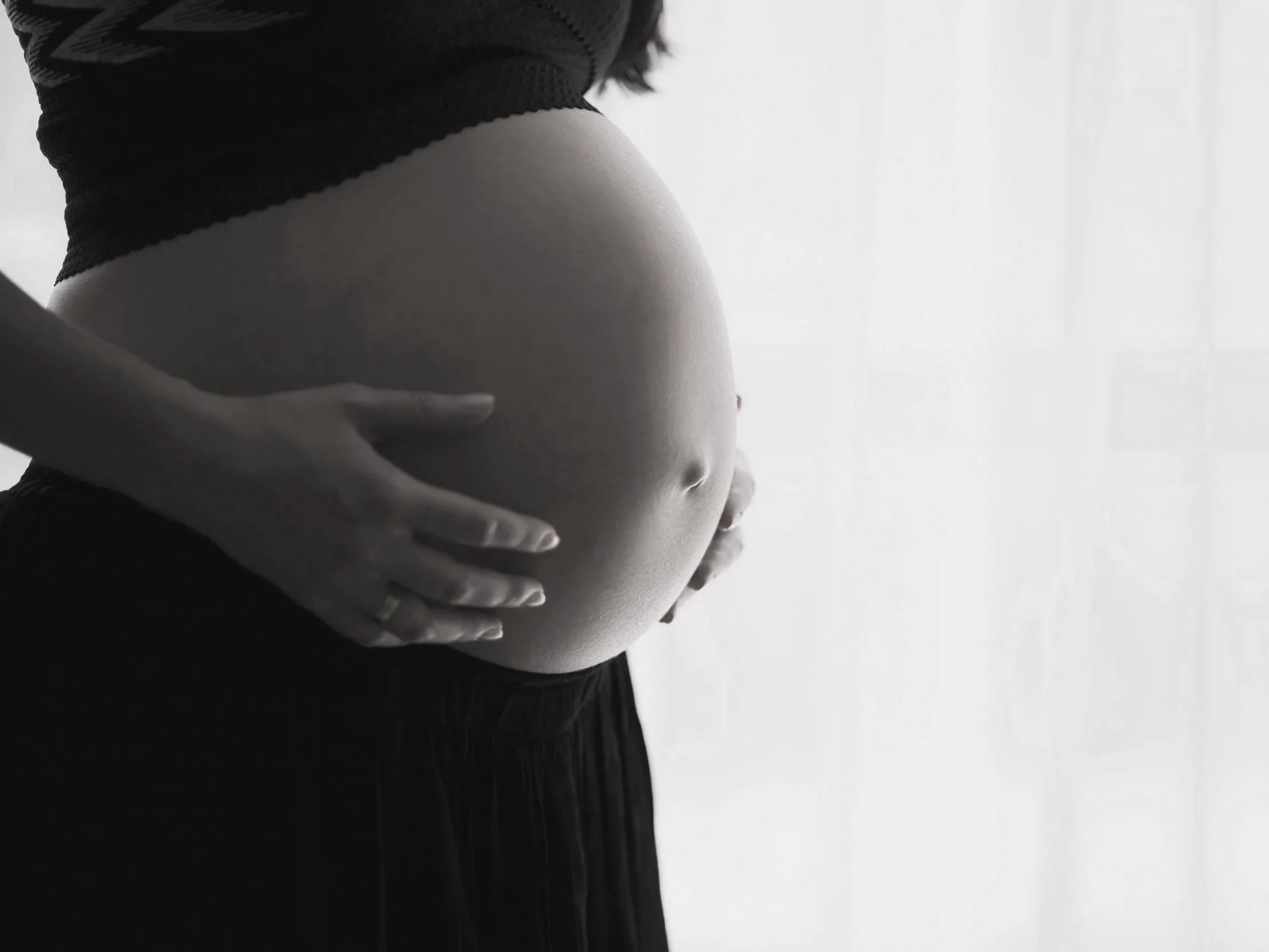
What is Pregnancy and Post-Natal Osteopathy
Osteopathic care during and after pregnancy focuses on supporting the body through physical and postural changes that come with each aspect of this stage of life. Osteopathy during pregnancy aims to support your body as it changes, using hands-on treatment tailored to you and to where you’re at in your pregnancy. Simple advice around movement, posture and everyday activities are an important part of osteopathic care, helping you feel more supported during your pregnancy.
It may help with:
Back, hip and pelvic pain
Pelvic girdle pain (PGP)
Sciatic pain
Rib and postural discomfort
Preparation for birth
Postural strain and muscle tightness
Post-natal osteopathy focuses on helping your body recover, ease discomfort, and help with the physical demands of feeding, lifting and carrying your baby.
Post-natal osteopathy may help with:
Back, pelvic and hip pain
Neck and shoulder pain from feeding or holding your baby
Core and pelvic discomfort
Ongoing postural strain
Returning to movement and exercise comfortably
Whether you’re a few weeks postpartum or years down the rack, treatment is always tailored to your body and your needs.
FAQs - Pregnancy and Post-Natal Osteopathy
Is osteopathy safe during pregnancy?
Osteopathy is considered safe during pregnancy when provided by a qualified osteopath. Treatment is always adapted to each stage of the pregnancy and uses gentle, appropriate techniques to support comfort and mobility.
What pregnancy-related issues may osteopathy help with?
Osteopathy may help with common pregnancy discomforts such as lower back pain, pelvic and hip pain, neck and shoulder tension, rib pain and postural strain as the body changes. Treatment aims to support movement and reduce physical stress during pregnancy.
Can osteopathy help after birth?
Post-natal osteopathy can support recovery after birth by addressing areas such as back and pelvic discomfort, muscle tension, postural changes from feeding and lifting, and general fatigue. Treatment is tailored to your recovery and individual needs.
How soon after birth can I have osteopathic treatment?
Many people choose to have treatment within the first few weeks after birth, but this depends on how you’re feeling and your birth experience. Your osteopath will take your recovery into account and adapt treatment accordingly.
What happens in a pregnancy or post-natal osteopathy appointment?
Your appointment will include a discussion about your pregnancy and birth experience, current symptoms and goals, as well as your previous medical history. Treatment is hand-n and gentle, with positions and techniques chosen to ensure comfort and safety throughout the session.
Do I need a referral to see an osteopath during or after pregnancy?
No referral is required. You can book an appointment directly without seeing your GP first.